
Space weather on September 30, 2026
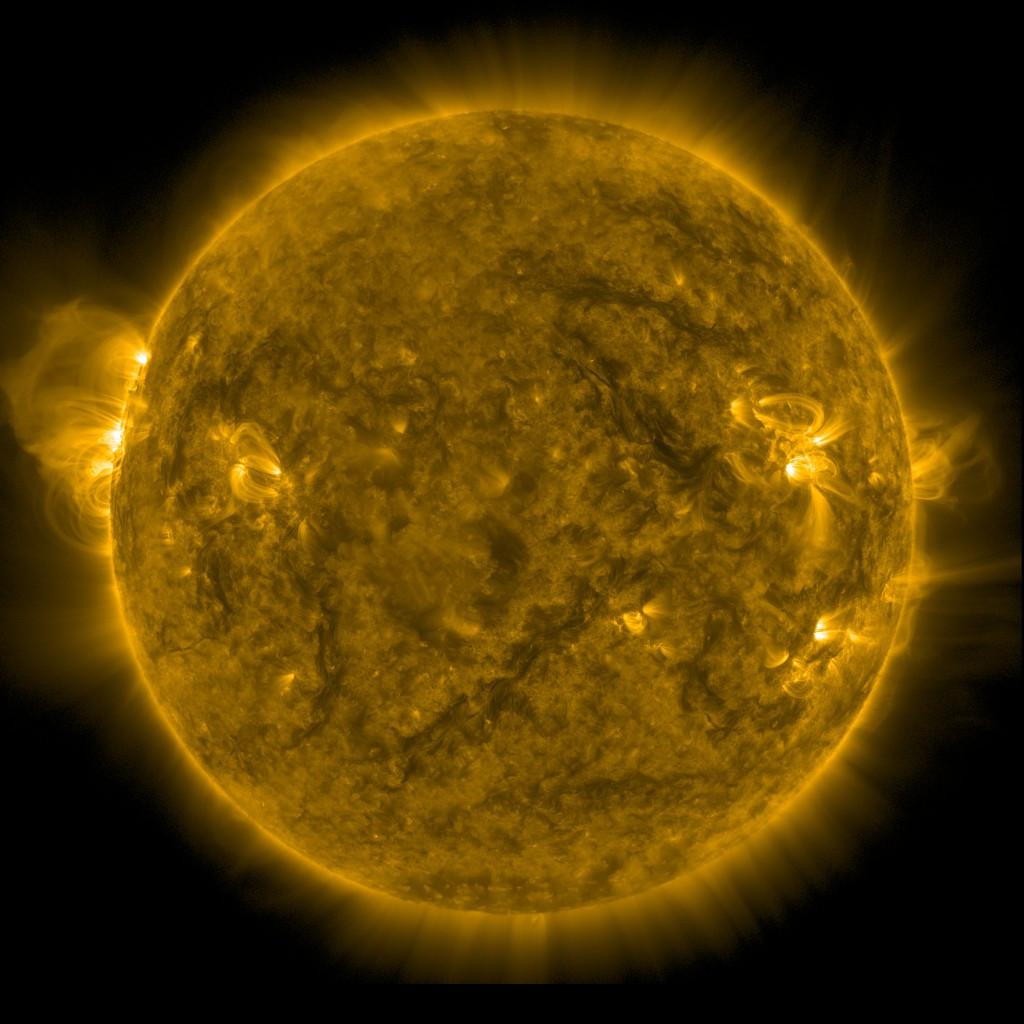
A lull in solar activity persists, marked by periodic, unsuccessful attempts to rebound from the minimum. Another such attempt is underway right now. A C8.6-class flare occurred this morning—the strongest since September 5, a span of nearly a month. Additionally, fairly large active regions emerging from the far side are visible on the Sun's left limb, north of the equator. As is typical in such cases, the exact nature of these emerging features will only become clear in a couple of days. For now, only the tops of massive magnetic loops are visible; towering 200,000 to 300,000 km above the sunspots, they are the first parts to appear over the solar limb. The sunspots themselves remain hidden behind the horizon.
September, which draws to a close today, has been an exceptionally quiet month. Over the course of 30 days, the Sun produced only three M-class flares. For comparison, there were 12 in August and 56 in July. Viewed chronologically, this trend reveals that solar activity has been plummeting at a staggering rate over the past two months—far faster than any forecast predicted. This is likely disappointing for aurora enthusiasts, as autumn is prime viewing season, though it is probably welcome news for the general public, given the sharp decline in both the frequency and intensity of geomagnetic storms. Only a single storm occurred throughout September, and it was of the lowest intensity; that took place back on September 8.
While there is little expectation that the Sun will suddenly ramp up activity right now, a certain increase in flaring over the next day or two is almost inevitable. The question boils down to whether it will fizzle out over the next day or two, or if that spark will actually flare up into something more significant. An increase in geomagnetic disturbances is also expected on Friday, October 2 (caused by another coronal hole). There is no storm forecast yet, but there is a high probability that conditions will escalate to that level over the weekend. A more precise forecast will be available tomorrow.
In summary, the first week of October will likely bring a noticeable uptick in activity, but it is premature to expect a downward trend reversal just yet. Overall, the star remains at a low point.