
Space weather on October 23, 2026
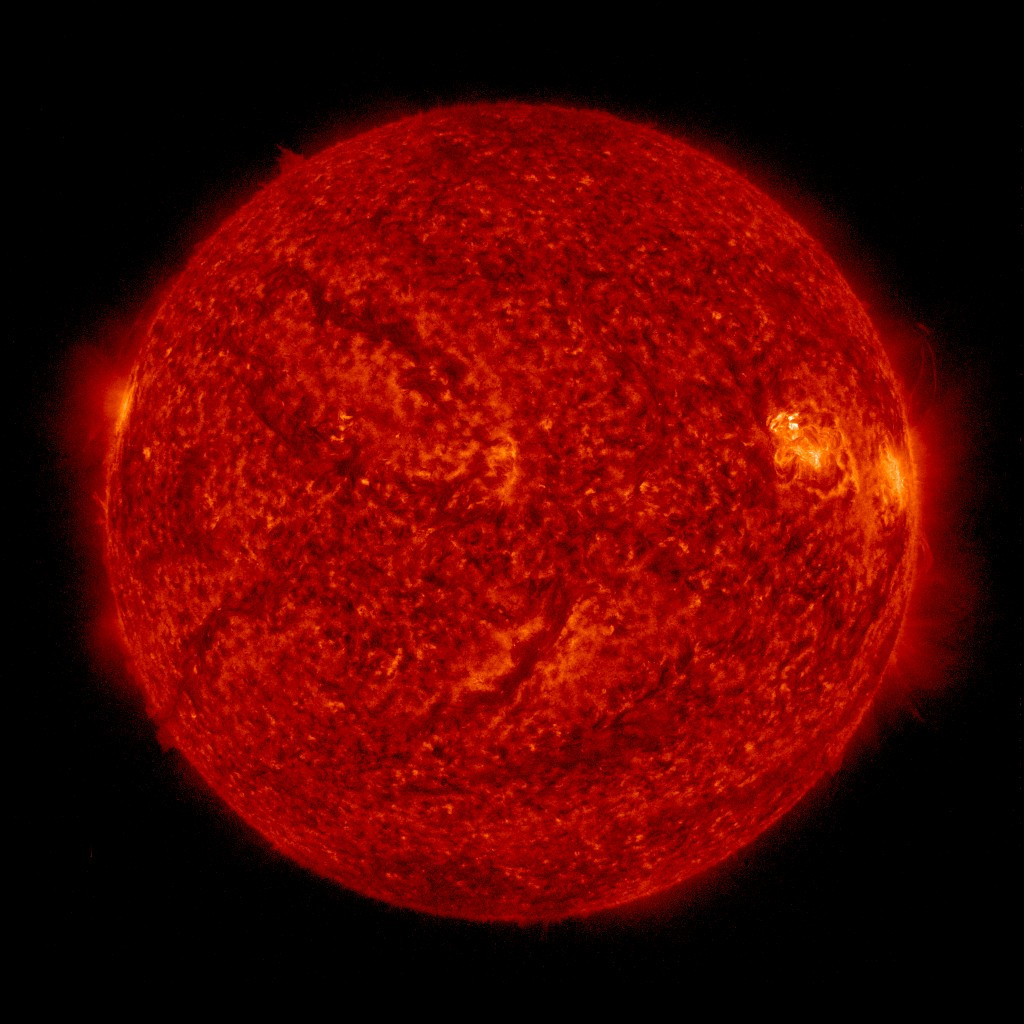
The Sun is heading into the weekend in much the same state of faint, smoldering activity with which it began the week. Space weather continues to fluctuate between "quietly disturbed" and "moderately disturbed"—stubbornly refusing to drop back to the baseline levels seen in September, yet showing no signs of the energy required for a significant surge.
The primary active regions, numbered 4557 and 4560, are continuing their transit toward the far side of the Sun, where they will disappear from view entirely between October 25 and 27. The main question now is whether the last vestiges of solar activity—sustained by these regions throughout the week—will vanish along with them. A new active region emerging in the north has yet to show any notable activity; it hasn't even been assigned a catalog number, making it a complete "wild card." This mystery should be resolved over the weekend, and by Monday, it will be clear whether there is any real energy present or not.
Geomagnetic activity, which rose during the first half of the week, persisted a full day longer than anticipated. Weak disturbances were still being observed yesterday, with reports—and even photographs—of auroras arriving from far-northern locations like Murmansk, a region that will enter its "polar night" in just a month and a half. By this morning, however, geomagnetic indices finally began to decline, signaling the long-awaited stabilization. The current level of disturbance never reached the threshold of a full-blown geomagnetic storm.