
Solar Activity
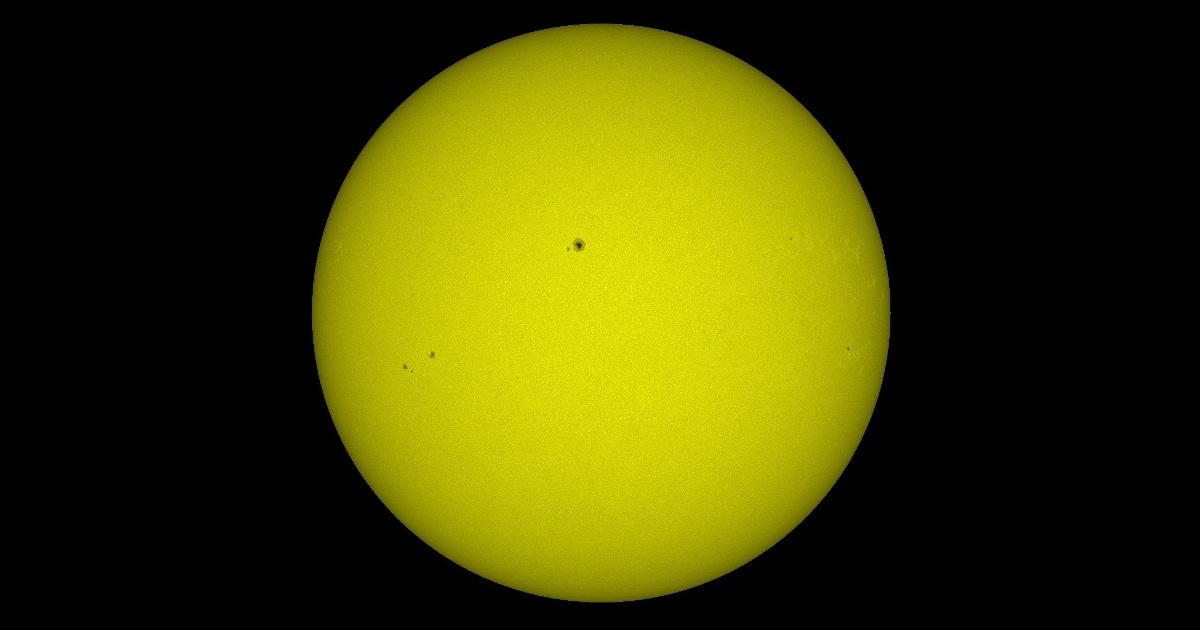
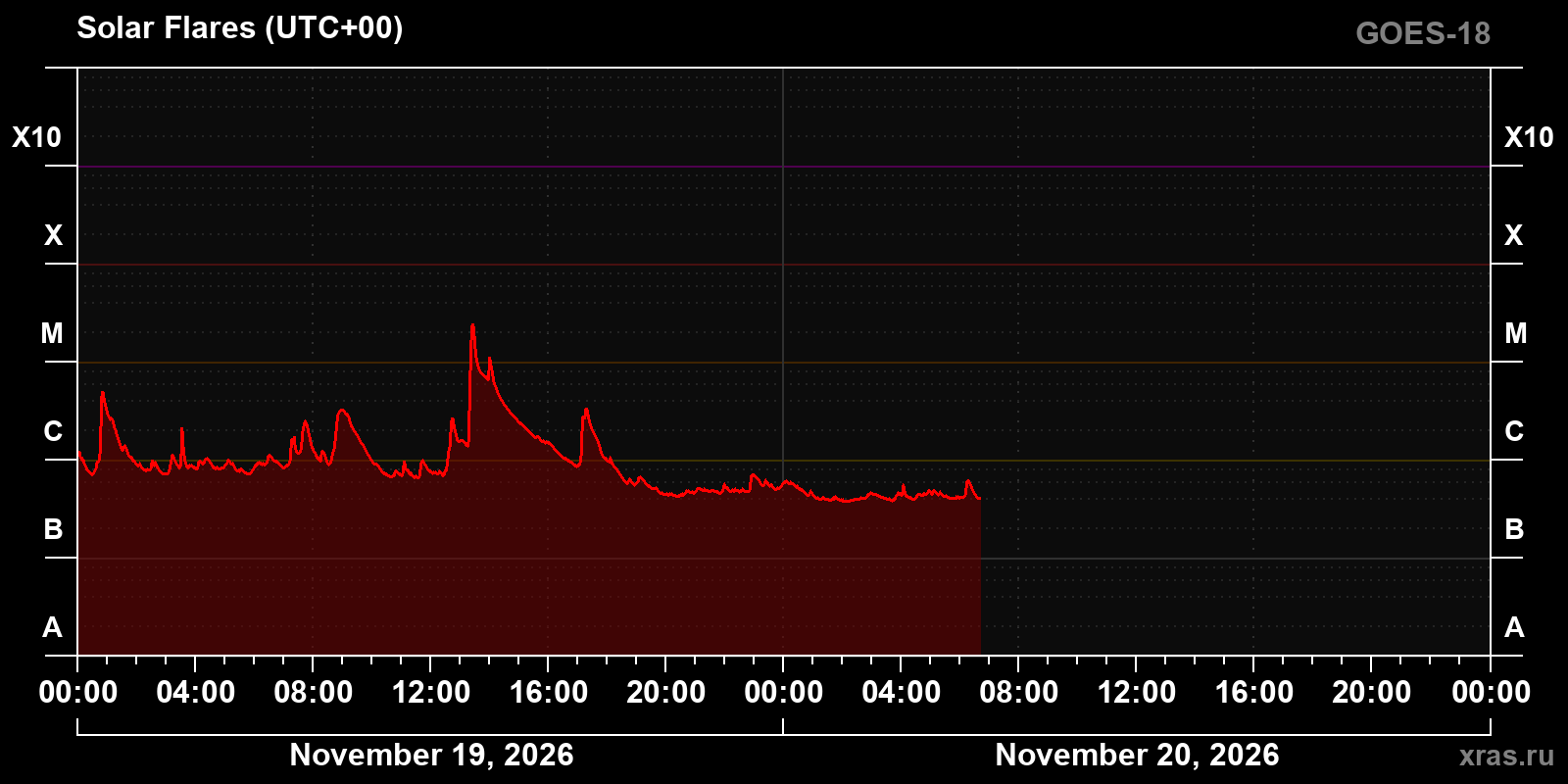
The Sun continues to exhibit an "arrhythmia" — solar activity is fluctuating chaotically, rising and falling. Yesterday, an M2.4-class flare occurred — the second strongest of November — but it had no impact, as the plasma ejection was directed off to the side, toward Mercury. It felt as though the "engine" might finally kick into gear, but that didn't happen. Instead, the activity levels plummeted — dropping significantly, even below the "C-class" threshold. In the first nine hours of today, not a single flare has been recorded. For comparison, there were 12 flares yesterday and 16 on Wednesday. I’d rather avoid repeating the usual clichés about the Sun "running out of energy"; previous predictions of that nature proved wide of the mark, as the star would simply rest for 10–20 hours before launching a new surge of activity. Therefore, I will refrain from making any forecasts this time. Suffice it to say that, for the moment, the flaring has ceased—we shall see what happens next.
Geomagnetic Activity
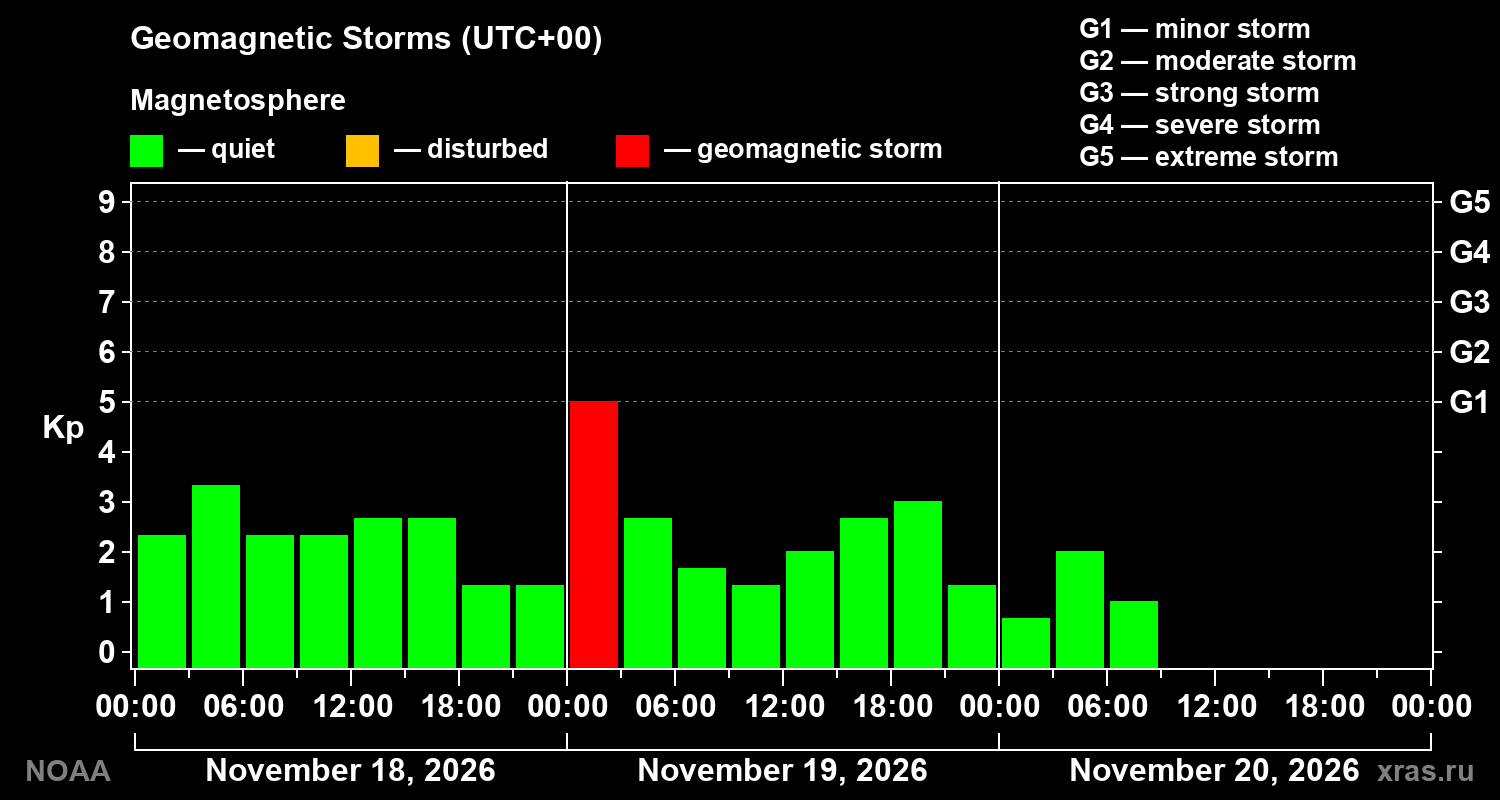
This is straightforward: the influence of a coronal hole has come to an end. Earth’s magnetic field responded with a brief geomagnetic storm — registering a single red bar on the chart — though the event was notably weaker than predicted. As Earth moves out of the stream of disturbed solar wind, geomagnetic indices are falling rapidly. We expect a "green" (quiet) period to persist until the middle of next week, at which point another, smaller coronal hole is expected to arrive. In any case, until powerful solar flares resume, no major geomagnetic storms are anticipated.
Brief Conclusion
Solar activity has shifted trend once again in recent weeks and is currently on the decline. There have been no flares since the start of the day. The geomagnetic field has also recovered following the passage of a coronal hole. The forecast for the next 2–3 days — that is, through the end of the week, including the weekend — is calm.